How to sterilize pacifiers: boiling, steam and on the go
How to sterilize pacifiers and clean them every day: the CDC's boiling, steam and bleach methods, AAP safety tips, and a 149 °F clean cycle for days away from home.
The Stenviax team6 min read
A pacifier can be the small thing that settles a big cry. It also lands on the floor, in the grass and under the car seat more often than anyone plans.
Keeping it clean is simple once you know the methods. Here is how to sterilize pacifiers at home, how to clean them day to day, and how to do it on a day out.
How often should you sterilize pacifiers?
Before your baby uses a pacifier for the first time, the AAP says to follow the instructions on the pacifier and boil it or run it through the dishwasher.
Clean it this way frequently until your baby is 6 months old. After that, the AAP says you can simply wash it with soap and rinse it in clear water.
The CDC's cleaning guidance is written for bottles and other infant feeding items. It advises sanitizing daily, or more often, if your baby is under 2 months old, was born prematurely, or has a weakened immune system.
How to sterilize pacifiers at home
The CDC describes four ways to sanitize infant feeding items. Check your pacifier's instructions for which ones it can take, then pick the one that suits your kitchen.
- Boiling. Put the items in a pot, cover them with water, and bring it to a boil. Boil for 5 minutes, then lift them out with clean tongs.
- Steam. Use a microwave or plug-in steam system, following its manufacturer's instructions for sanitizing, cooling and drying.
- Bleach. Mix 2 teaspoons of unscented bleach into a gallon (16 cups) of water. Hold the items fully under, squeeze the solution through the nipple holes, and soak for at least 2 minutes. Do not rinse, so germs cannot get back on.
- Dishwasher. Put small items in a closed-top basket or mesh laundry bag, and use hot water with a heated drying cycle or sanitizing setting if you have one.
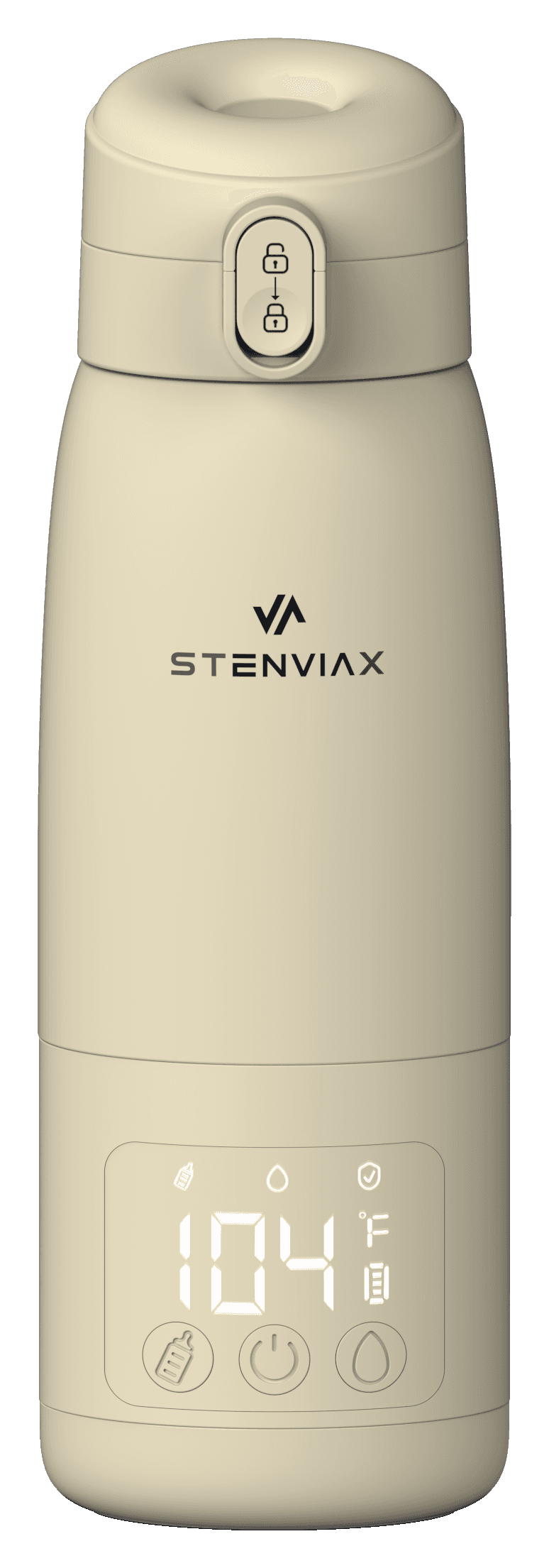
A clean cycle that travels in the changing bag.
Stenviax Portable Bottle Warmer Pro, Silk Beige, $69.90
After boiling or steam, squeeze the water out of the nipple with clean hands. The AAP explains that hot water left inside might burn your baby's mouth.
Let everything air-dry on a clean, unused dish towel or paper towel, away from dust. The CDC says not to rub or pat items dry, because a towel can pass germs back onto them.
How do you clean a pacifier day to day?
Between sanitizing, the CDC's hand-washing routine keeps things simple:
- Wash your hands with soap and water for 20 seconds.
- Rinse the pacifier under running water.
- Wash it in hot, soapy water in a basin used only for your baby's feeding items, with a brush kept for the same job.
- Squeeze water through the nipple, rinse under running water, and let it air-dry.
Look at the pacifier each time you clean it. The AAP says to replace it if the rubber has changed color or torn, and to follow the recommended age range printed on it.
How to clean a pacifier on the go
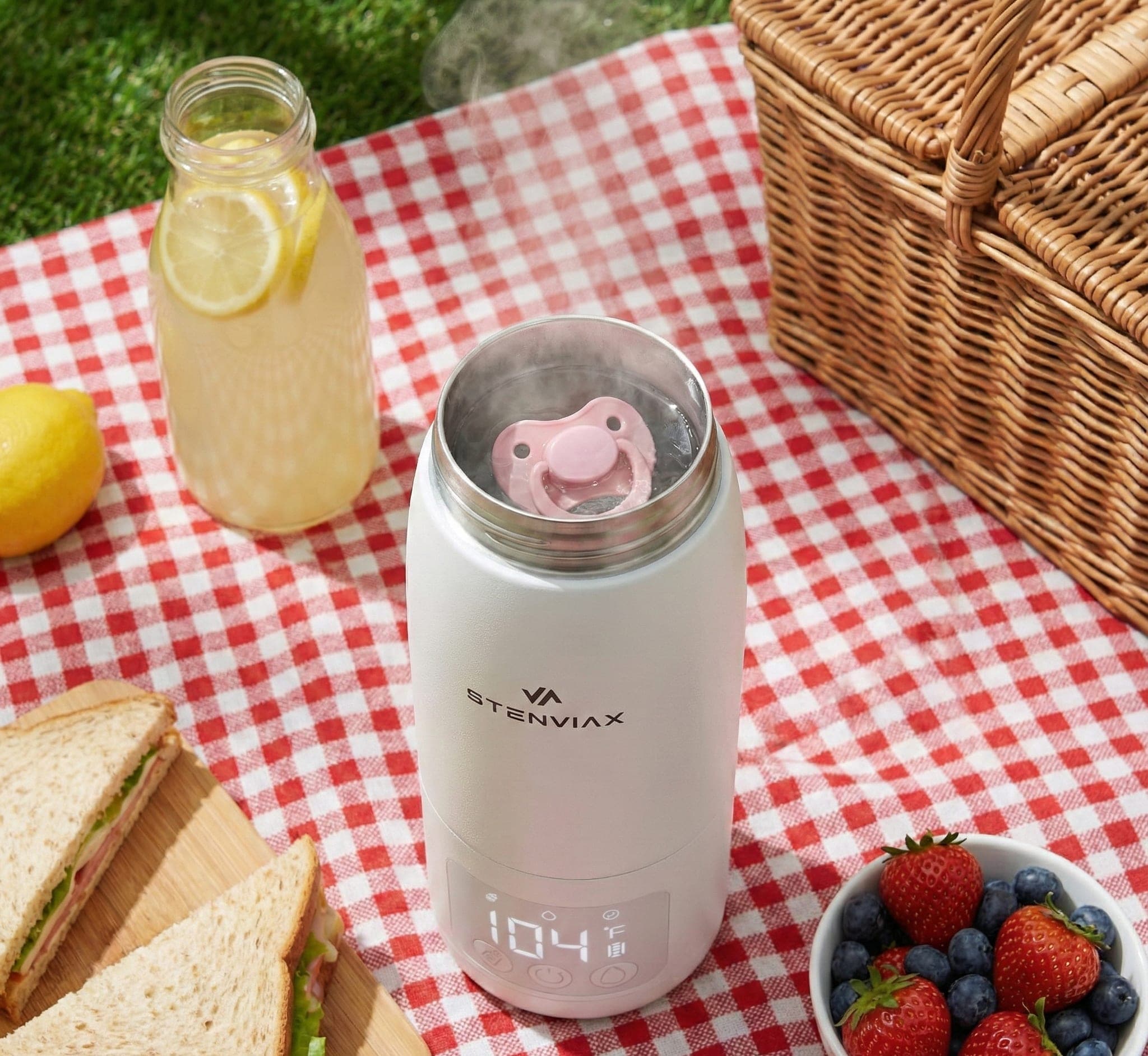
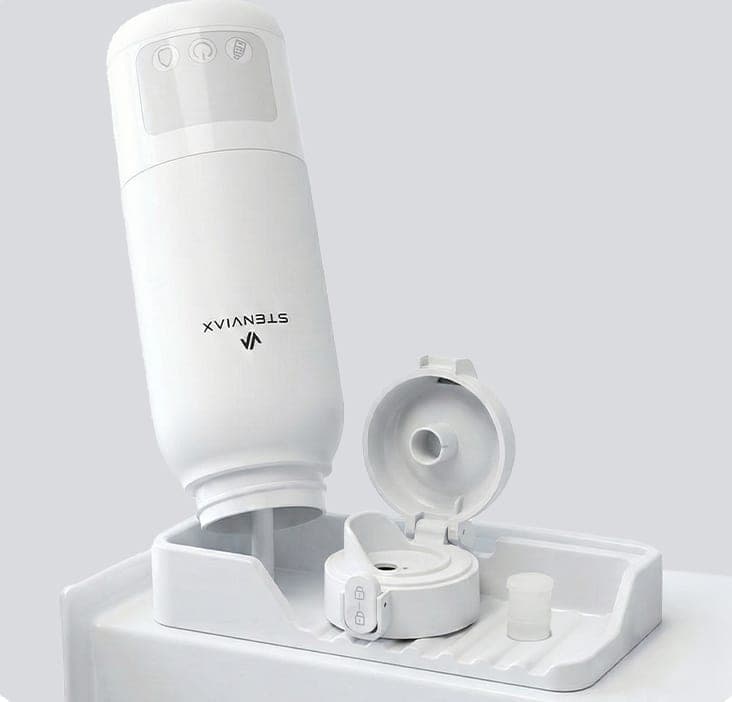
At home you have the stove and the dishwasher. On a picnic, in the car or at a friend's house, the Stenviax Bottle Warmer Pro gives you a clean cycle wherever you are.
It runs at 149 °F for 20 minutes, on the chamber and on items placed inside it, all on its own 14,000 mAh battery. No kitchen, no kettle, no socket.
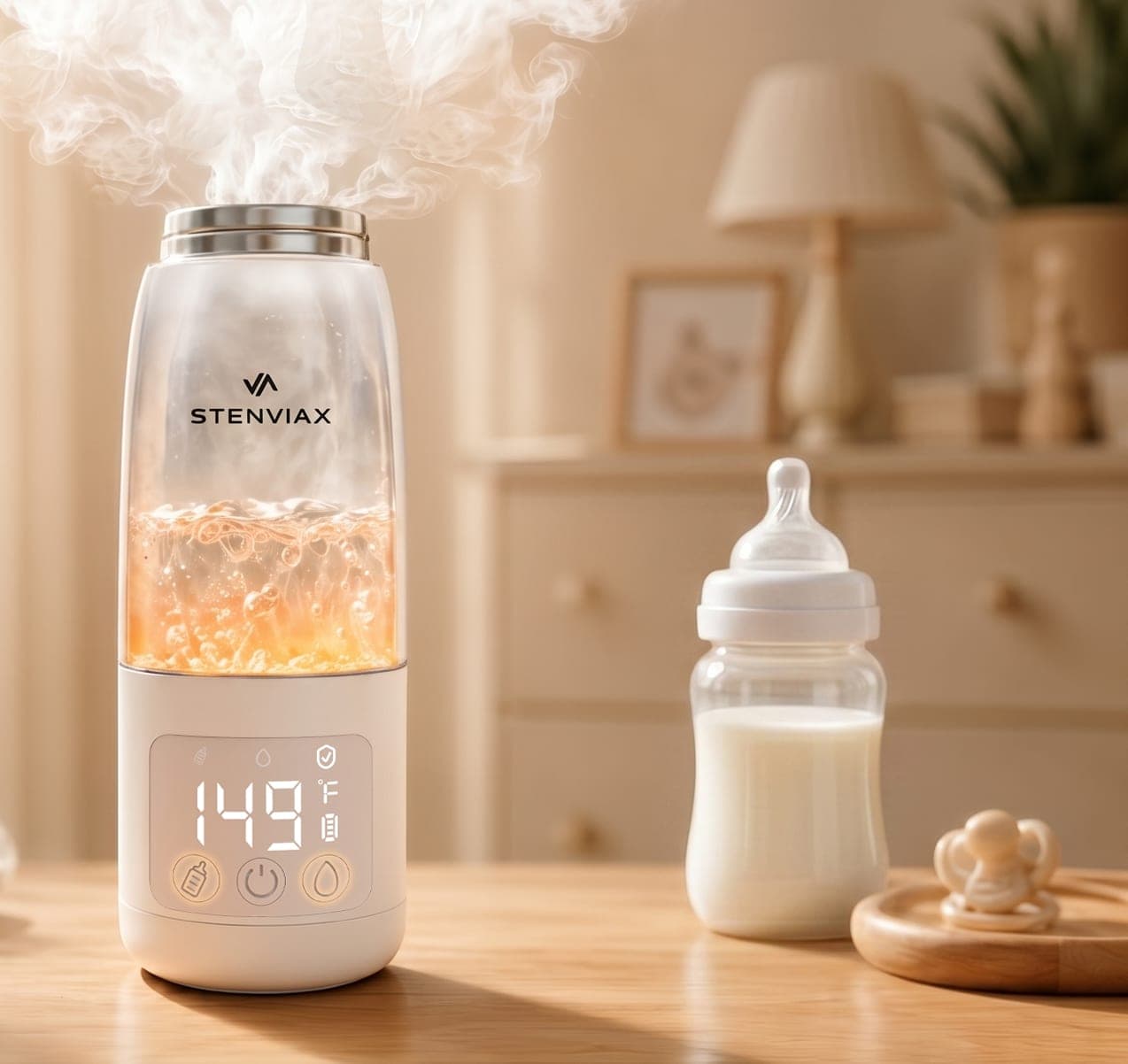
- Rinse the pacifier under clean water.
- Pour clean water into the 17 oz chamber, enough to cover the pacifier, and drop it in. The warmer never runs empty; with no water it stops and shows E2.
- Press the milk and water buttons together. The pasteurisation symbol stays lit until the 20 minutes are up.
- Lift the pacifier out with clean hands, squeeze the water out of the nipple, and let it air-dry.
Then pour the water away and stand the warmer upside down to drain, ready for the next bottle.
Heading out? Our guides to camping with a baby and a road trip with a baby cover the rest of the bag.
Pacifier safety tips from the AAP
- Choose one molded from a single solid piece of plastic, with a shield at least 1-1/2 inches across and ventilation holes.
- Never tie a pacifier to the crib, or around your baby's neck or hand. The AAP warns it could cause serious injury or even death.
- If you are breastfeeding, wait until breastfeeding is going well before offering a pacifier, which usually takes about 3 to 4 weeks.
Frequently asked questions
- How do you sterilize a pacifier without a sterilizer?
- Boil it, if its instructions allow. Cover it with water in a pot, bring it to a boil and boil for 5 minutes, the CDC's method for feeding items, then squeeze the water out of the nipple with clean hands and let it air-dry.
- How long do you boil a pacifier?
- Five minutes, once the water is boiling, following the CDC's boiling method for infant feeding items. Check the pacifier's own instructions first, and lift it out with clean tongs.
- Do you need to sterilize pacifiers after 6 months?
- Not routinely. The AAP says to boil or dishwasher-clean a pacifier frequently until 6 months, and after that to wash it with soap and rinse it in clear water.
- Can you put a pacifier in the dishwasher?
- Yes, if its instructions allow it; the AAP names the dishwasher alongside boiling. Use a closed-top basket or mesh bag, and a hot or sanitizing cycle, as the CDC suggests.
- Can I clean a pacifier in a bottle warmer?
- In the Stenviax Bottle Warmer Pro, yes. Cover the pacifier with water in the chamber and press the milk and water buttons together, and the clean cycle runs at 149 °F for 20 minutes on the chamber and the items inside it.
Sources
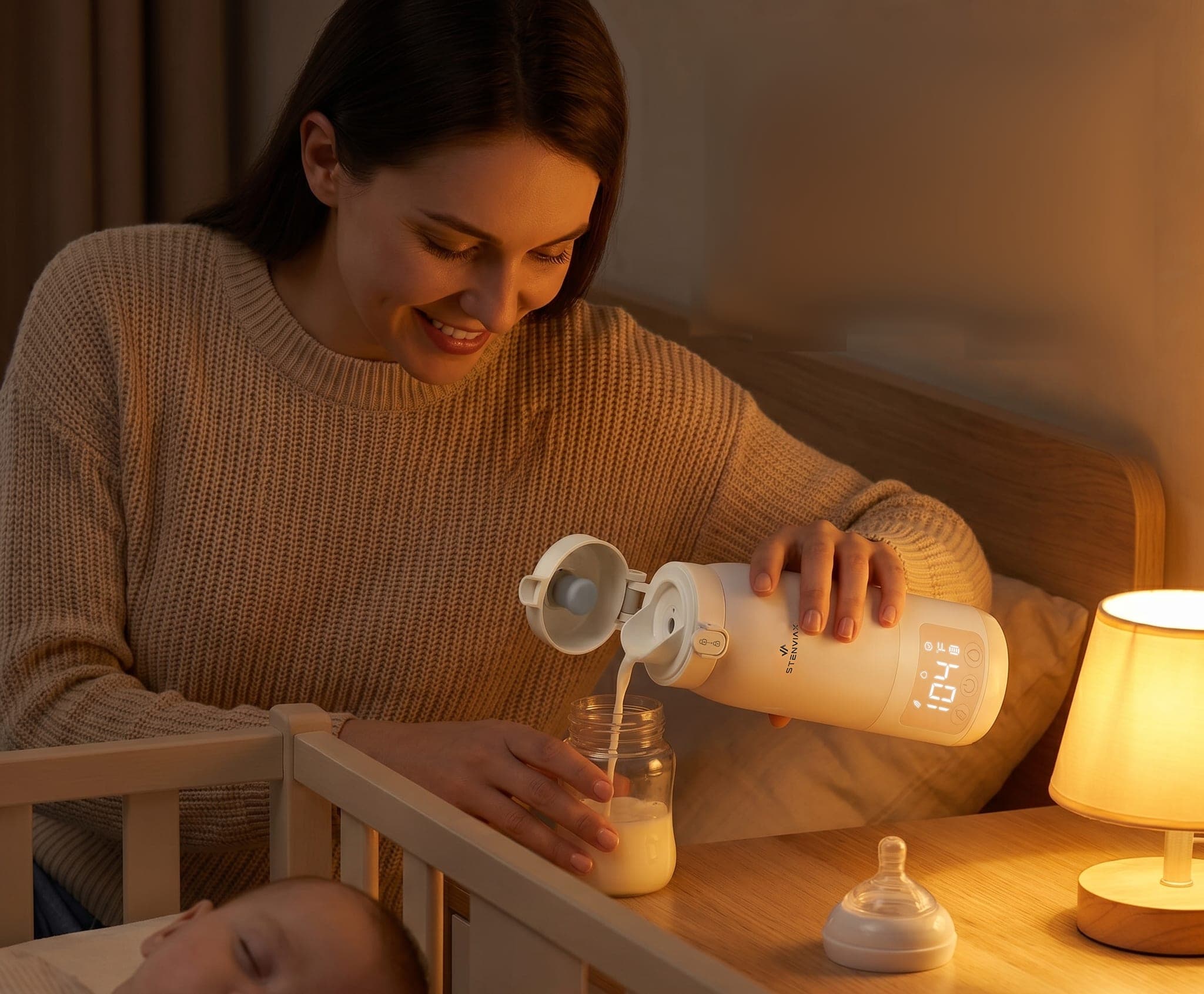
Made for the nights ahead
The Stenviax Portable Bottle Warmer Pro warms 4 oz of breast milk to 98 °F in about 70 seconds, with no cord and no trip to the kitchen. A thoughtful gift for a new mom, too.
Measured from refrigerator temperature at a full charge.
Silk Beige finish